 1 Turun linna - the Turku castle - built in the 14th century |
 2 Walking in the castle courtyard |
 3 A model of what the castle may have looked like in the 14th century |
 4 The king's state room, where the king stayed while visiting Turku. |
 5 The youths' quarters, which was originally built for the king's sons. |
 6 A window and seats in the youths' quarters. |
 7 Names (and coat-of-arms) of important visitors written on the wall of a room used to house visitors. The texts are written using a Gothic script that was used until the mid-1600s. |
 8 The castle entrance hall |
 9 The castle church |
 10 The original church was destroyed during WW II but has been restored to its original form with the help of old photographs. |
 11 The king's hall, originally the duke's hall until the 1770s. |
 12 The courtyard seen through a window |
 13 "Nothing but death will part us" |
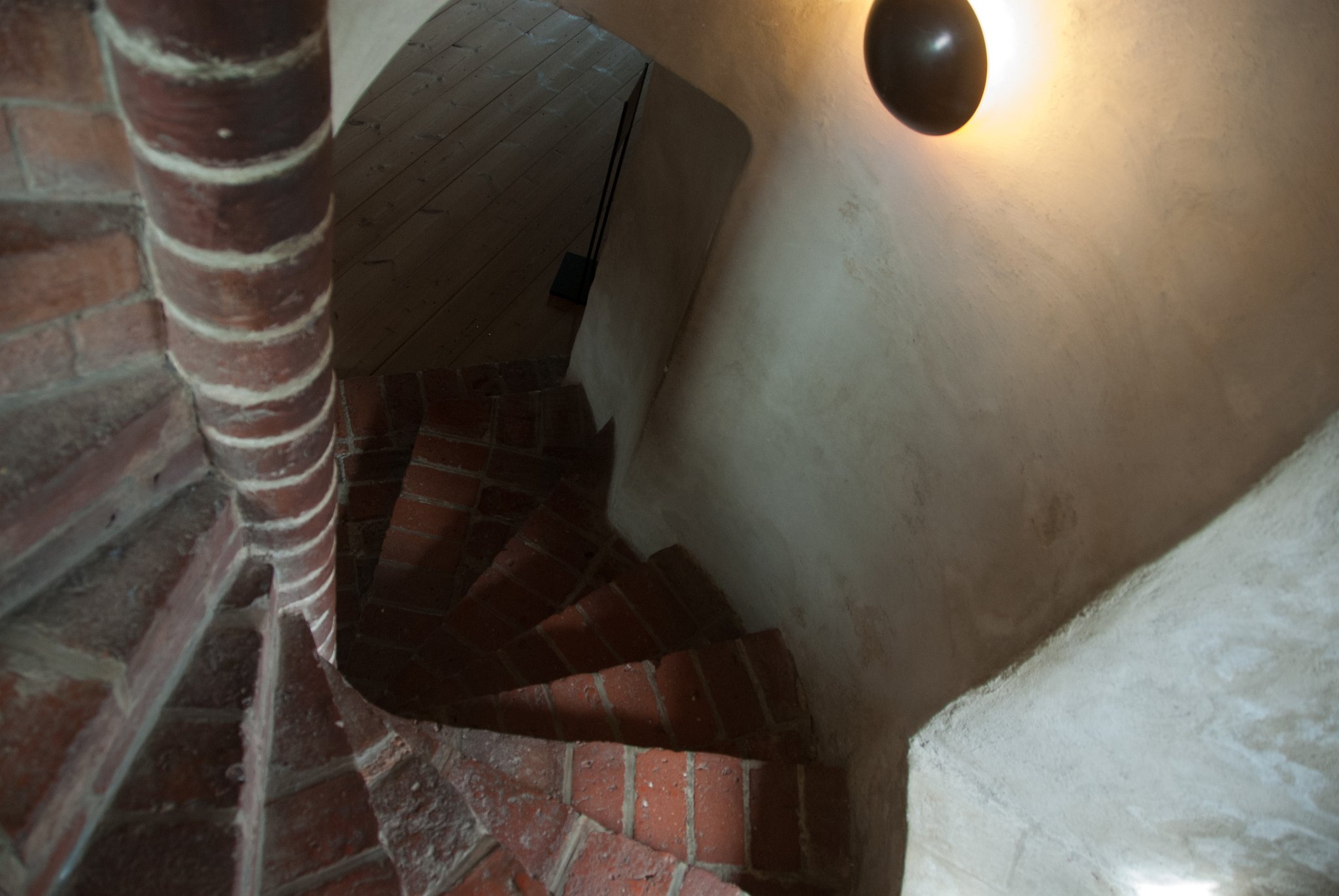 14 Spiral staircases were built so that they could only be climbed in a clockwise direction which made it difficult for a right-handed attacker to use his sword hand. |
 15 The silver vault, located at the top of the western tower, was the storage place for the castle's valuables. |
 16 View out the window in the silver vault |
 17 A Lego model of the Turku castle |
 18 The castle aways had cells, but larger parts of it were used as a prison particularly during the 19th century. |
 19 |
 20 The main castle seen from the courtyard |
 21 |
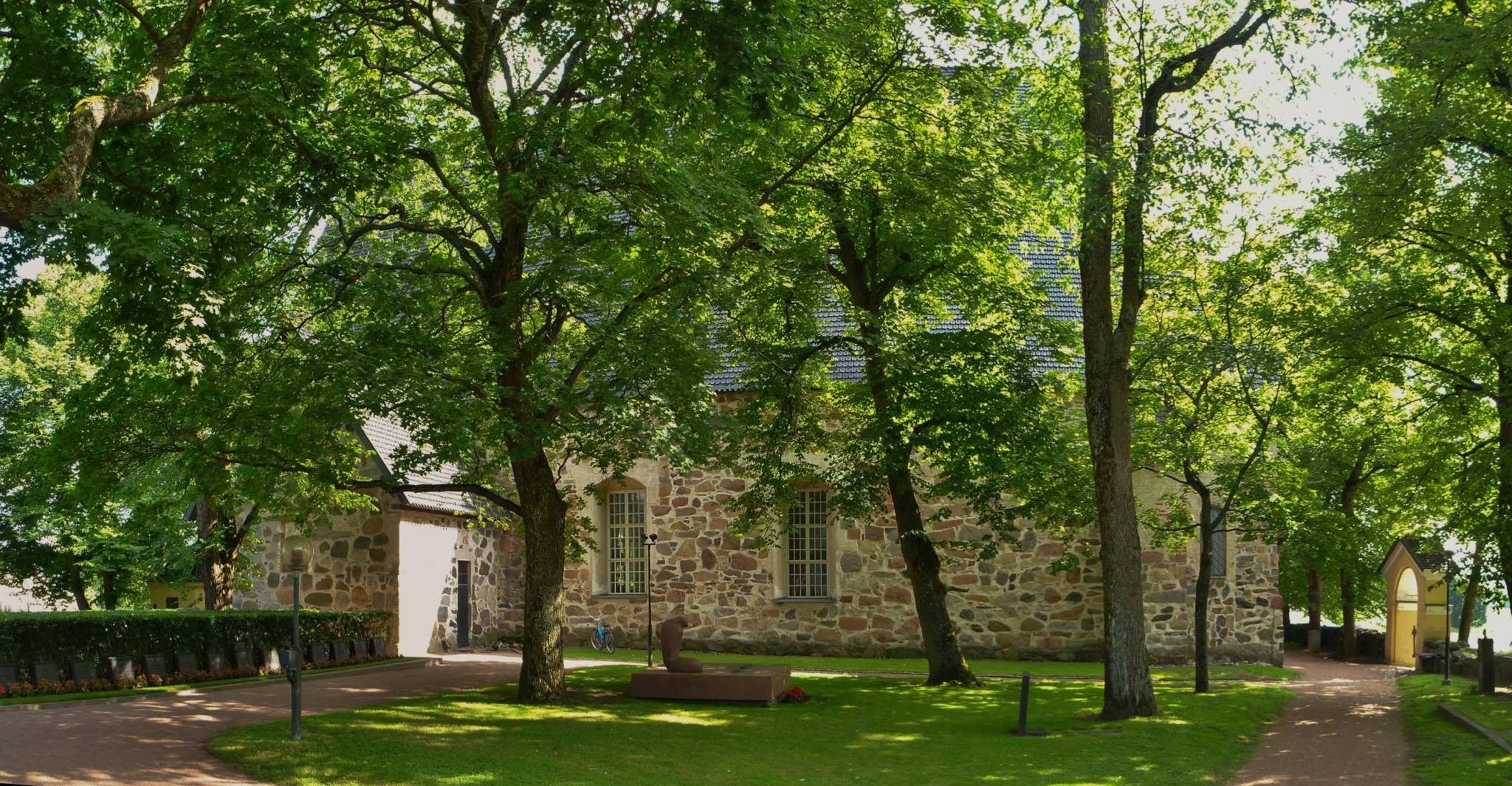 22 Maarian kirkko in Turku |
 23 The gate into the church yard |
 24 "Vaivaisukko" at the gate of the church. These kinds of usually wooden statues of injured war veterans were common at churches and were used for collecting donations for the assistance of the poor. The text above the figure is from Proverbs 19:17. |
 25 Inside the church, which is from the early 15th century |
 26 The altar artwork is from the 15th century. |
 27 |
 28 |
 29 Looking towards the altar from the organ loft. The original artwork in the church was added by the builders of the church who weren't necessarily trained in art, and the end result is rather interesting. |
 30 In this image a monk is stepping out from a church. |
 31 Ships appear several times in the ceiling - they were an important part of life as Turku is a harbor town. |
 32 |
 33 Images of the devil were also included in the artwork. These, however, were not considered appropriate for church art and were covered up until the 20th century. |
 34 Saint Hubertus (the patron saint of hunters, mathematicians, opticians and metalworkers) is to the left of center with his long horn. |
 35 The cemetery adjacent to the church. |
 36 |
 37 Dinner in downtown Turku |
 38 |